

Connect every stage of your print business
Connected Workflows & Integrations
Discover how ECO3 connects MIS, ERP, Web-to-Print, prepress, production, color management, and finishing into one intelligent print workflow that improves visibility, reduces manual work, and increases operational efficiency.
Your Print Business Runs on More Than One System
Every system plays an important role
A Web-to-Print portal grabbing new customer orders, an MIS or ERP system, prepress software preparing orders, offset and digital presses rolling out prints, or automated finishing equipment completing a job, each system is important to your business.
When information doesn't flow efficiently between departments and production systems, businesses often experience costly errors and unnecessary delays.
Leading print production businesses are solving these challenges by creating connected workflows that automate information flow, improve collaboration, and provide greater visibility across the entire production process.
Why Connected Workflows Matter
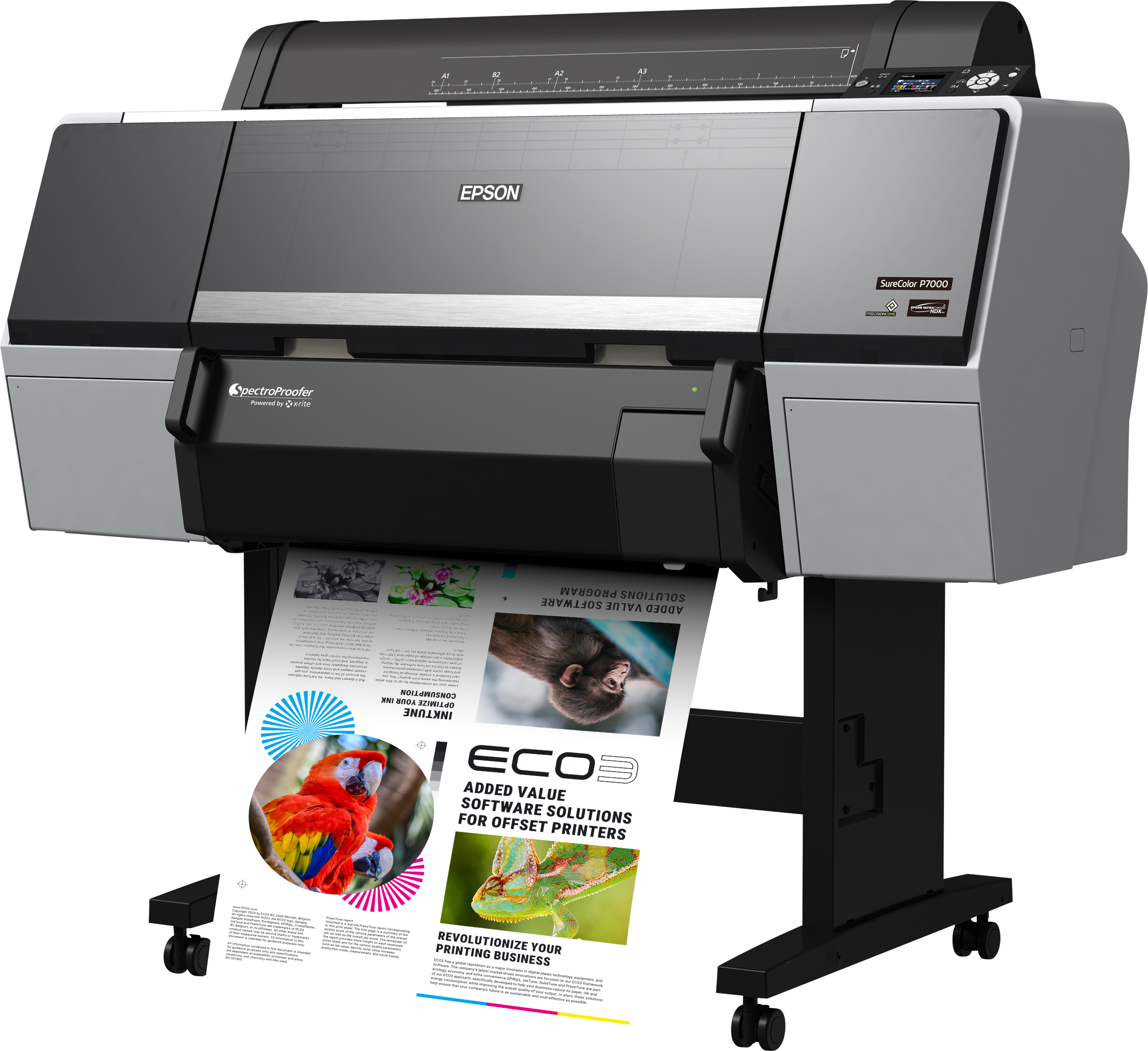
Many print production businesses have gradually added new software as their operations have grown. Estimating, scheduling, MIS, Web-to-Print, prepress, color management, digital production, and finishing systems often operate independently, creating information silos throughout the organization.
A connected workflow transforms isolated production steps into one coordinated process where information moves automatically between systems, enabling teams to focus on production rather than administration.
Connected workflows help businesses:
- Reduce duplicate data entry
- Eliminate repetitive manual processes
- Improve communication between departments
- Increase production visibility
- Reduce production delays
- Support hybrid print environments
- Scale operations more efficiently
A Better Way: Connected Print Production
Rather than chasing information through multiple applications, teams have access to accurate, real-time production data that supports faster and more informed decisions.
The result is a production environment that is easier to manage, more efficient to operate, and better prepared for future growth.
Key Benefits

Reduce Manual Administration
- Less duplicate data entry
- Reduced administrative workload
- Faster job preparation
- Fewer production errors

Improve Production Visibility
- Improved workflow visibility
- Faster decision-making
- Better production planning
- Greater operational control

Create Consistent Processes
- Predictable production
- Improved print quality
- Easier staff training
- Consistent customer experience

Support Hybrid Production
- Greater production flexibility
- Better equipment utilization
- Simplified job management
- Improved operational efficiency

Scale with Confidence
- Easier business growth
- Improved resource utilization
- Reduced operational overhead
- Long-term workflow scalability

Improve Communication
- Less errors
- Increased production efficiency
- Faster decision-making
- Consistent customer experience
Typical Integration Scenarios
Connecting Prepress and Production
- Faster file preparation
- Improved production quality
- Reduced manual intervention
- More predictable workflows
Connecting Business Systems
- Faster order processing
- Better information accuracy
- Reduced manual administration
- Improved collaboration between departments
Connecting Multiple Production Sites
- Standardized production
- Shared best practices
- Easier onboarding
- Central operational visibility
The ECO3 Integration Approach
ECO3 approaches workflow integration through five guiding principles.
1. Understand the Existing Workflow
2. Connect Information, Not Just Systems
3. Standardize Workflow Across the Business
4. Automate Where It Creates Value
5. Build for Continuous Improvement
Why Choose ECO3?
Real value comes from creating workflows that help people work more effectively, reduce operational complexity, and provide better visibility across the business.
Rather than encouraging businesses to replace successful systems, ECO3 focuses on connecting people, information, and production into one intelligent workflow.
This approach enables organizations to:
- Reduce manual administration
- Improve workflow visibility
- Increase production efficiency
- Connect business systems with manufacturing
- Support hybrid production environments
- Standardize workflows across multiple locations
- Protect existing technology investments
- Create a scalable foundation for future growth

Frequently Asked Questions
- What is a connected print workflow?
A connected print workflow enables business systems, workflow automation, production equipment, and reporting tools to share information automatically, reducing manual intervention and improving operational visibility.
- Why are workflow integrations important?
Workflow integrations eliminate duplicate data entry, reduce production delays, improve collaboration between departments, and help production teams make better decisions using accurate, real-time information.
- Can ECO3 software work with our existing systems?
ECO3 software is designed to support connected production environments and help businesses integrate workflow processes with existing business and production systems, allowing organizations to modernize workflows while protecting previous technology investments.
- How do connected workflows reduce manual work?
By allowing information to move automatically between systems, connected workflows reduce repetitive administration, minimize manual job preparation, and improve production efficiency.
- Can connected workflows support hybrid print production?
Yes.
Connected workflows help coordinate offset, digital, packaging, and other production technologies within one consistent production environment, improving flexibility while simplifying job management.
- How do integrations improve production visibility?
Connected systems provide production teams and managers with access to real-time workflow information, enabling faster decisions, improved scheduling, and greater operational control.
- Are connected workflows suitable for multi-site operations?
Yes.
Standardized workflows help organizations share production processes, improve consistency, simplify onboarding, and gain central visibility across multiple production facilities.
- Can workflow integrations support future business growth?
Absolutely.
Connected workflows provide a scalable operational foundation that can accommodate new equipment, additional production sites, increased automation, and changing customer requirements without proportionally increasing operational complexity.
Ready to Connect Your Print Workflow?
By bringing together business systems, workflow automation, production equipment, and operational insight, ECO3 helps print businesses simplify production, improve visibility, reduce manual work, and build a workflow that supports long-term growth.